Daniel Berehulak, freelance photographer

Freelance photographer Daniel Berehulak accepts the 2017 Pulitzer Prize for Breaking News Photography for photographs that appeared in The New York Times from Columbia University President Lee C. Bollinger.
Winning Work
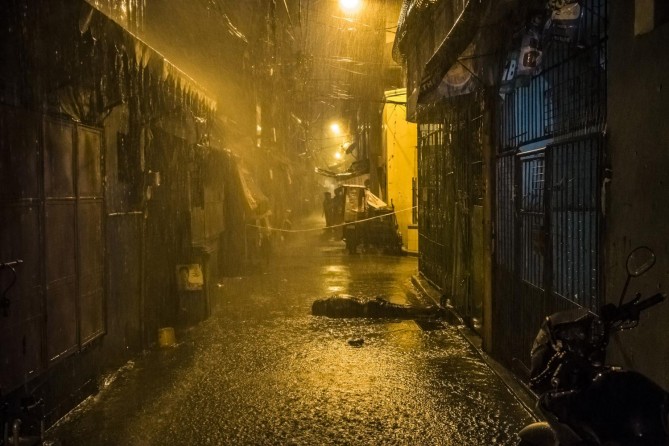
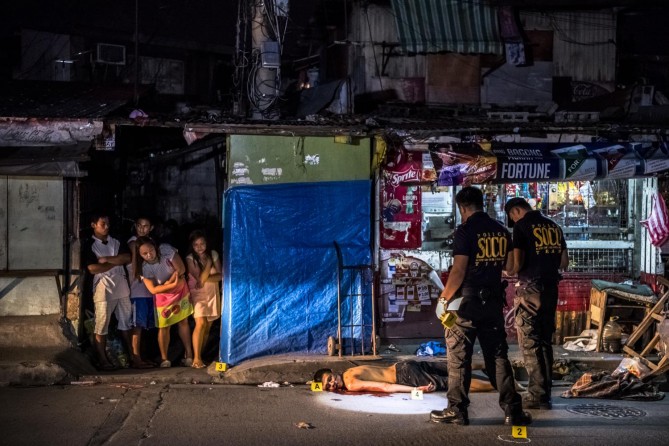
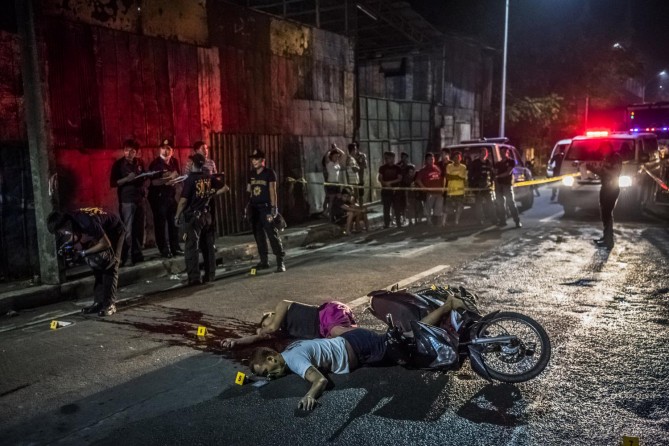
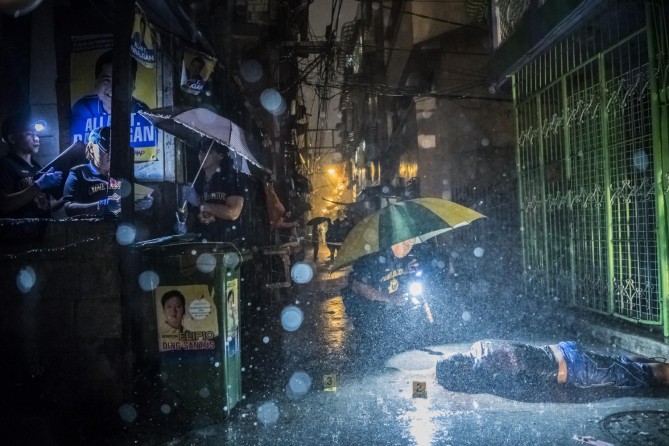
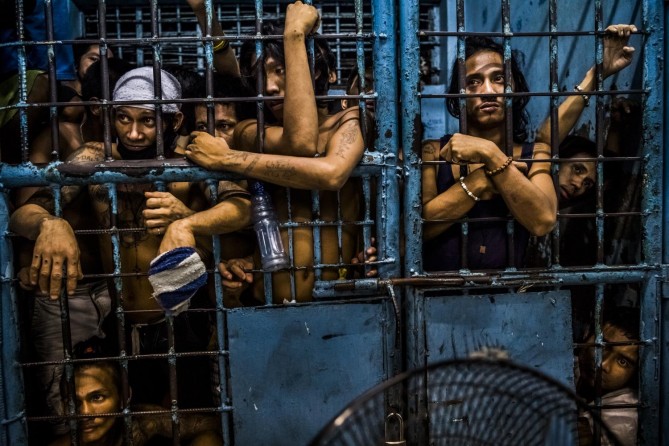
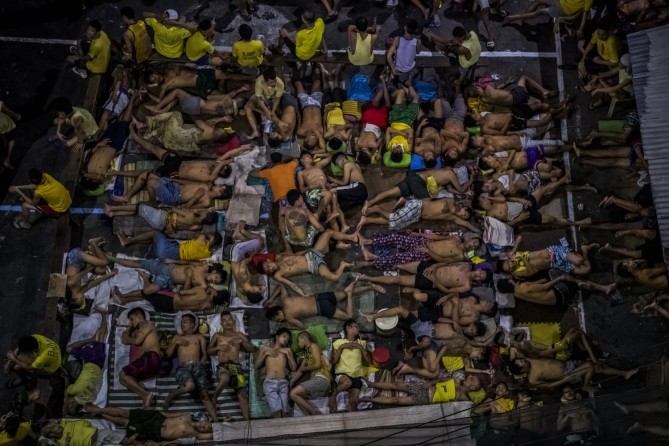
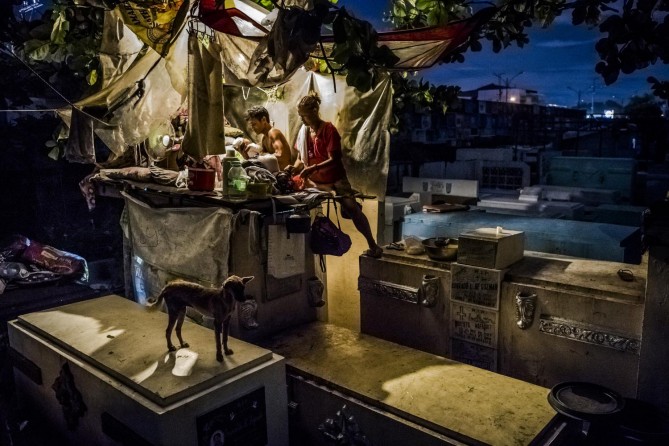
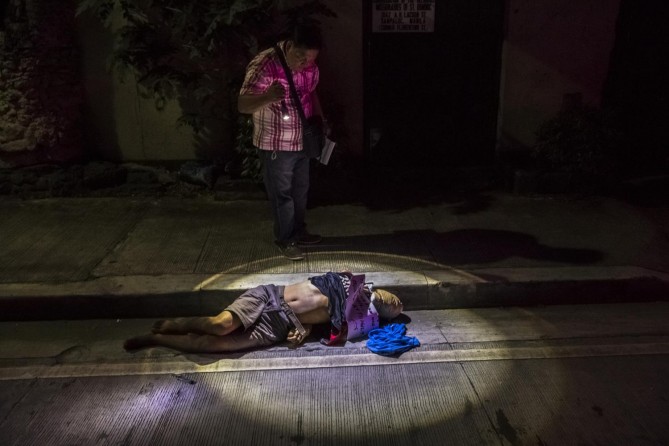
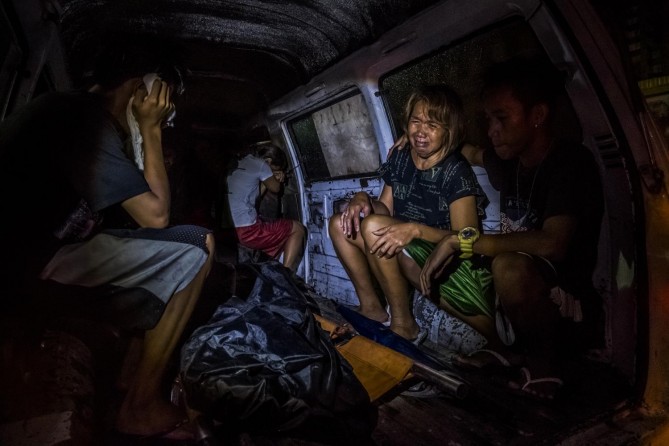
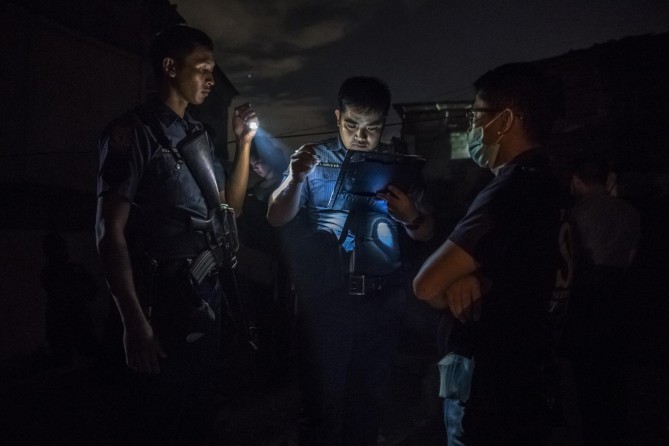
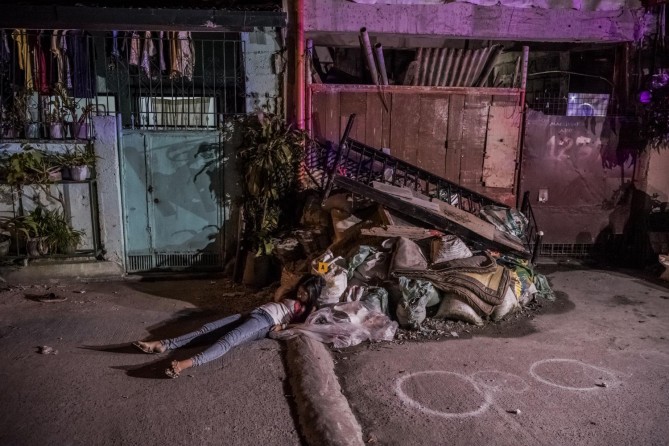
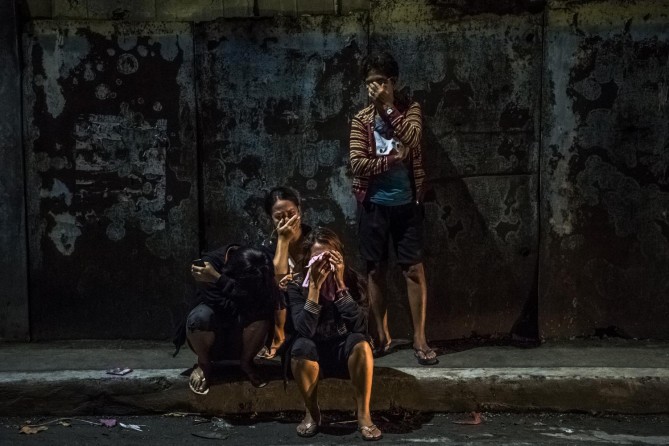
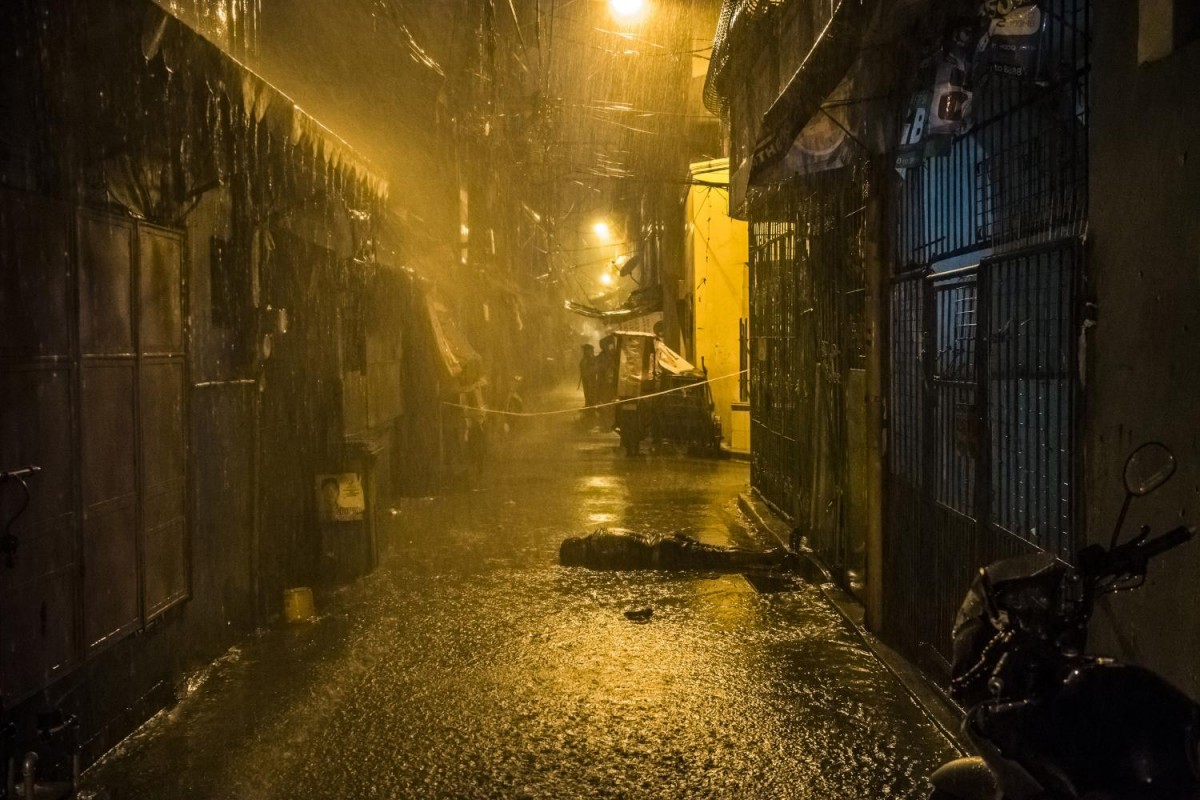
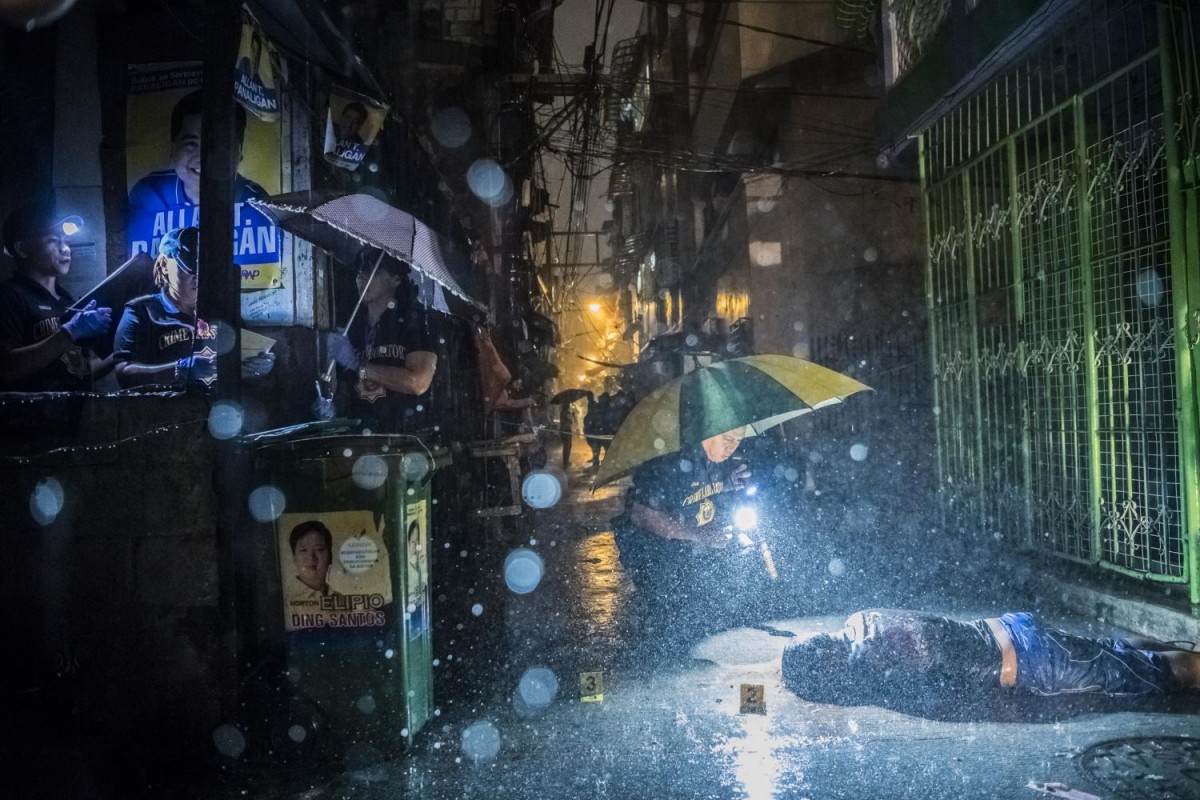
Heavy rain falls on the body of Romeo Joel Torres Fontanilla, 37, killed Oct. 11 by two gunmen on motorcycles. His is one of some 3,500 unsolved homicides in the Philippines since President Rodrigo Duterte took office June 30 and started his brutal crackdown on drug users and pushers. More than 2,000 people were slain in official police operations alone from July through November; many more were felled at the hands of vigilantes. Fontanilla, known as Tigas, was one of 57 victims Daniel Berehulak photographed at 41 crime scenes over 35 days in Manila. (10/11/2016)
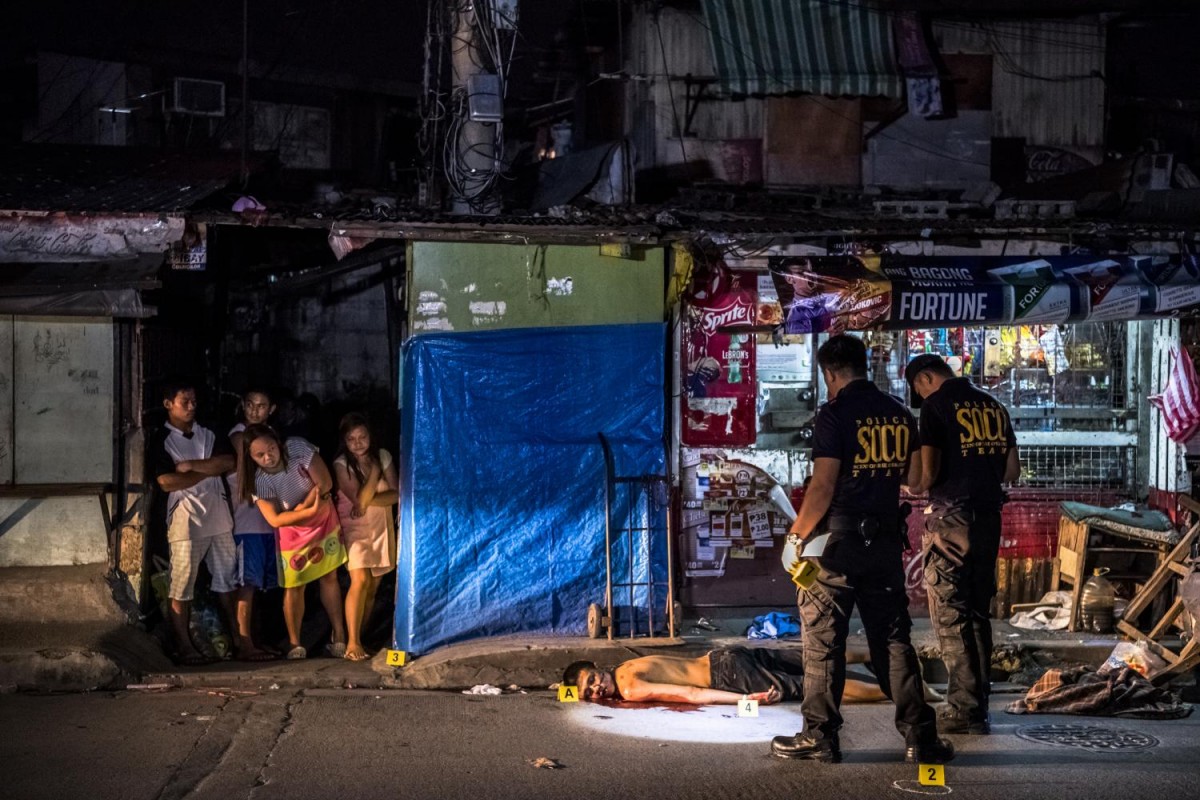
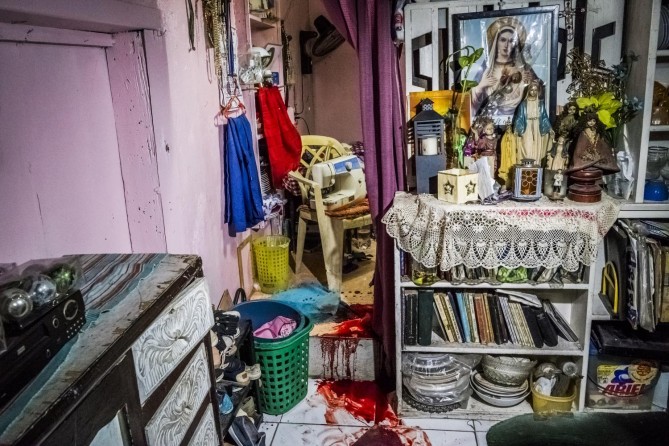
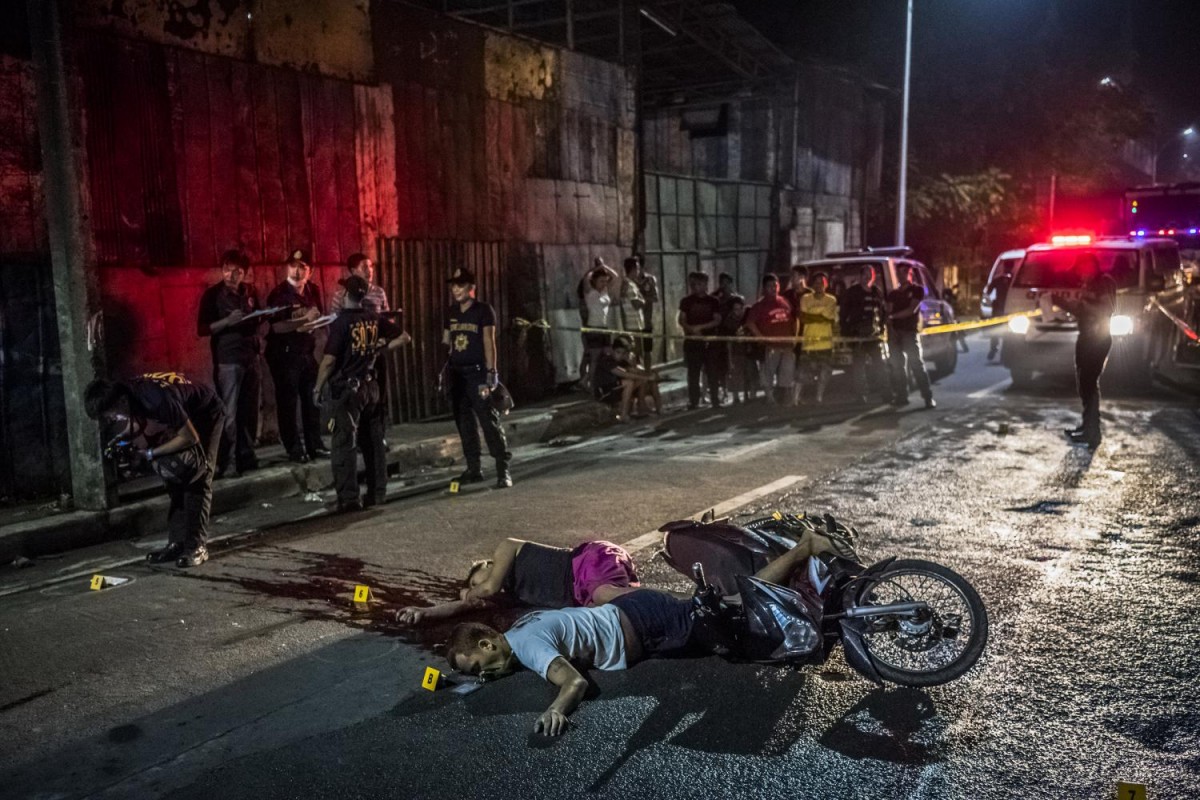
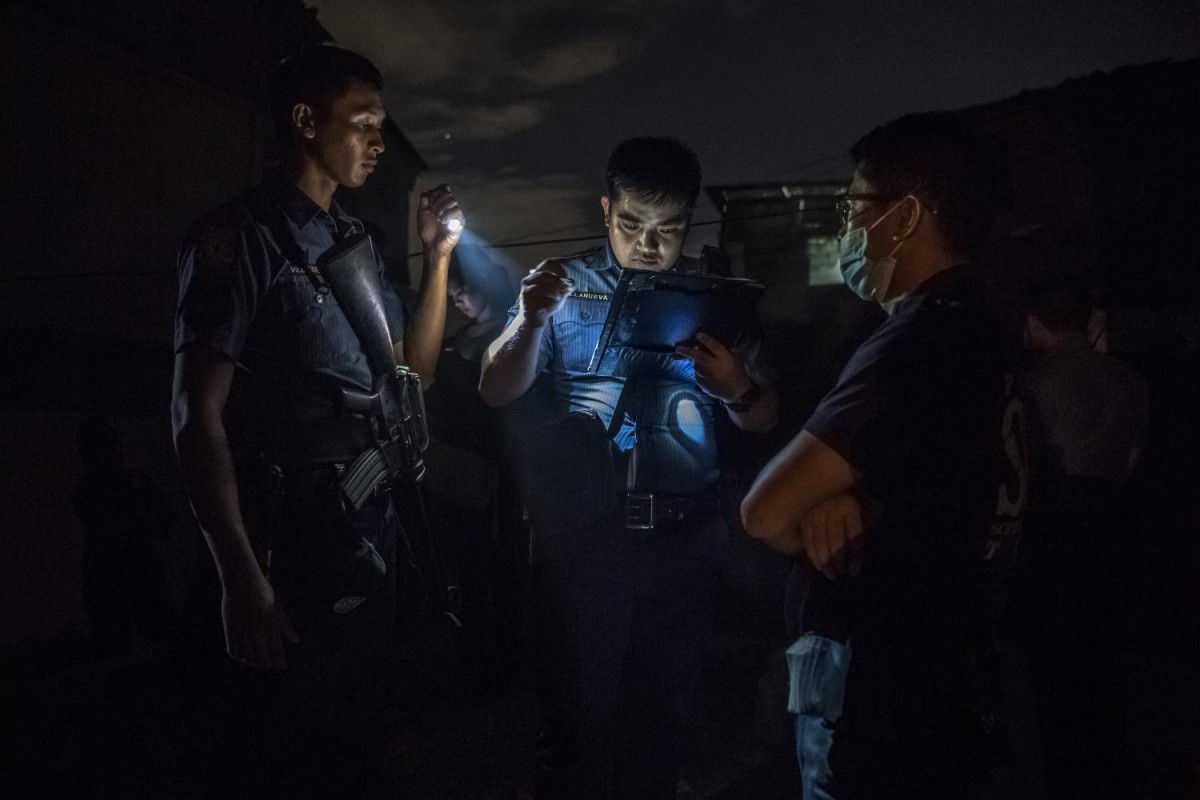
Berehulak witnessed bloody scenes just about everywhere -- on the sidewalk, on train tracks, in front of a girls' school, outside 7-Eleven stores and a McDonald's, across bedroom mattresses and living-room sofas. Michael Araja, 29, was one of several people gunned down outside a "sari-sari," as Filipinos call the kiosks that sell staples on the street. Neighbors said he had gone to buy cigarettes and a drink for his wife when he was shot dead by two men on a motorcycle, a common modus operandi known as a "riding in tandem" killing. Officers from SOCO, the scene of the crime unit, gather evidence. (10/02/2016)
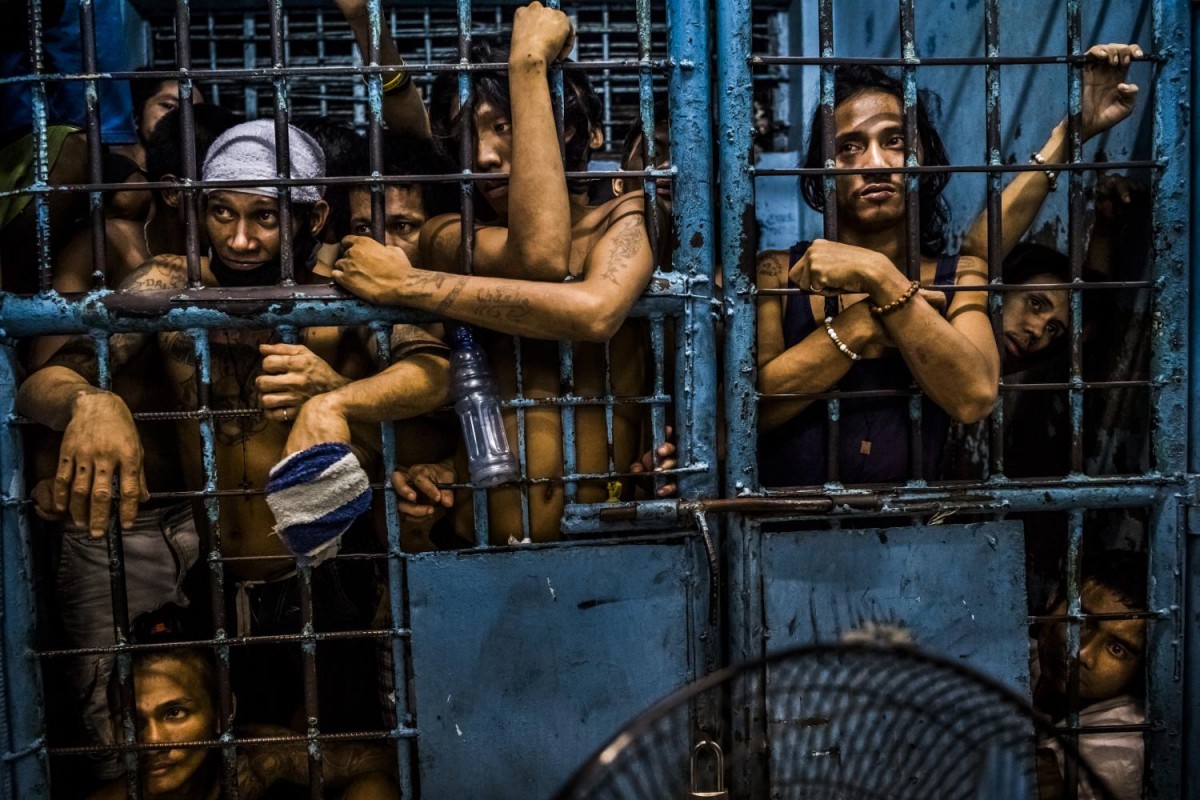
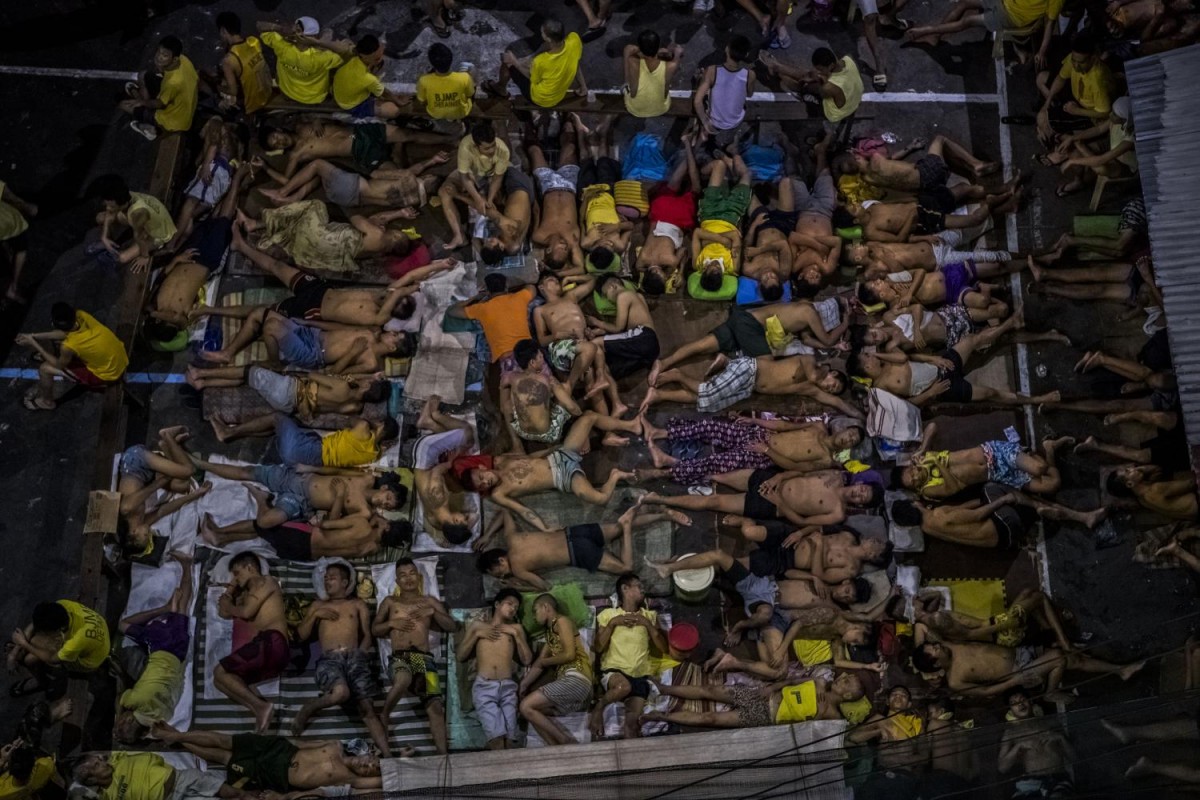
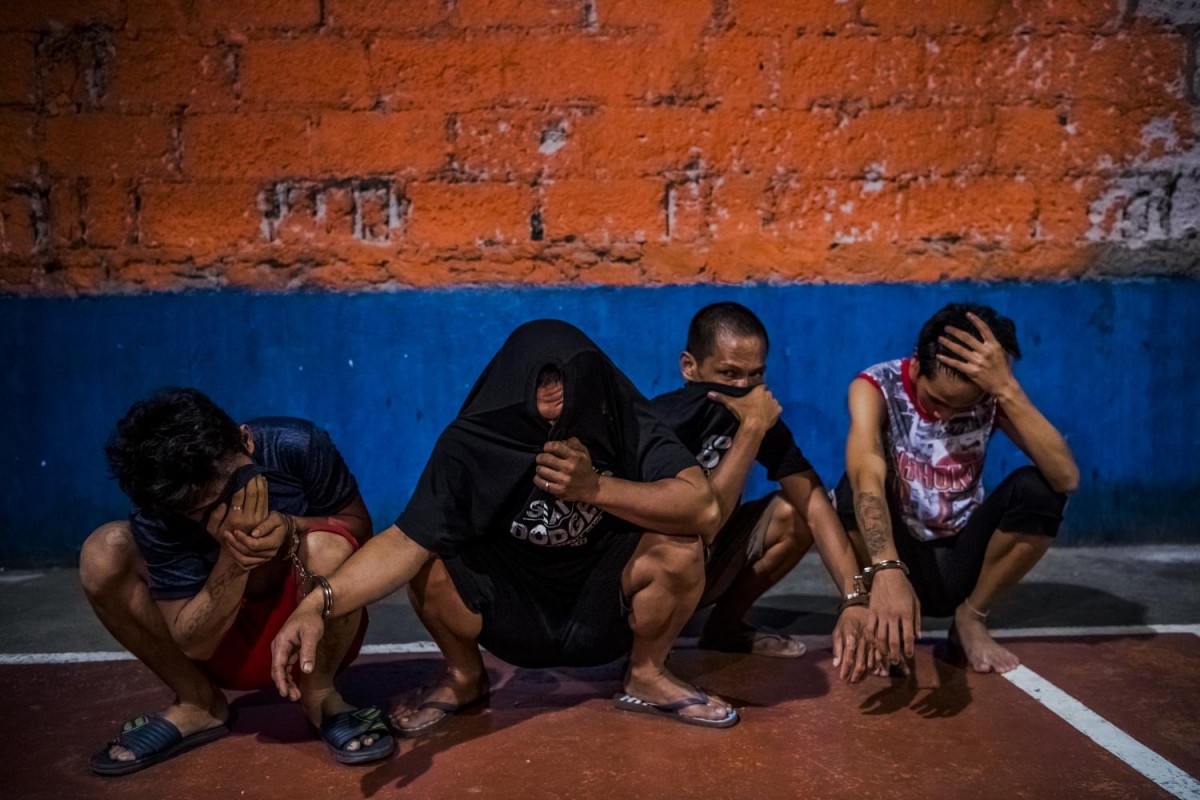
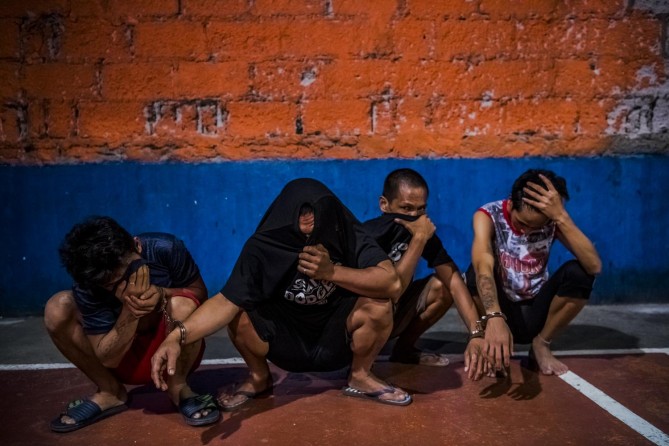
Four men arrested for possession of drugs in the Don Bosco neighborhood hid their faces from Berehulak's lens. While in affluent neighborhoods, the police sometimes started with a polite knock on the door and then handed a pamphlet to a housekeeper outlining the repercussions of drug use. In poorer districts, the tactics were much harsher. The police grabbed teenage boys and men off the streets, ran background checks, and made mass arrests on the spot. (10/24/2016)
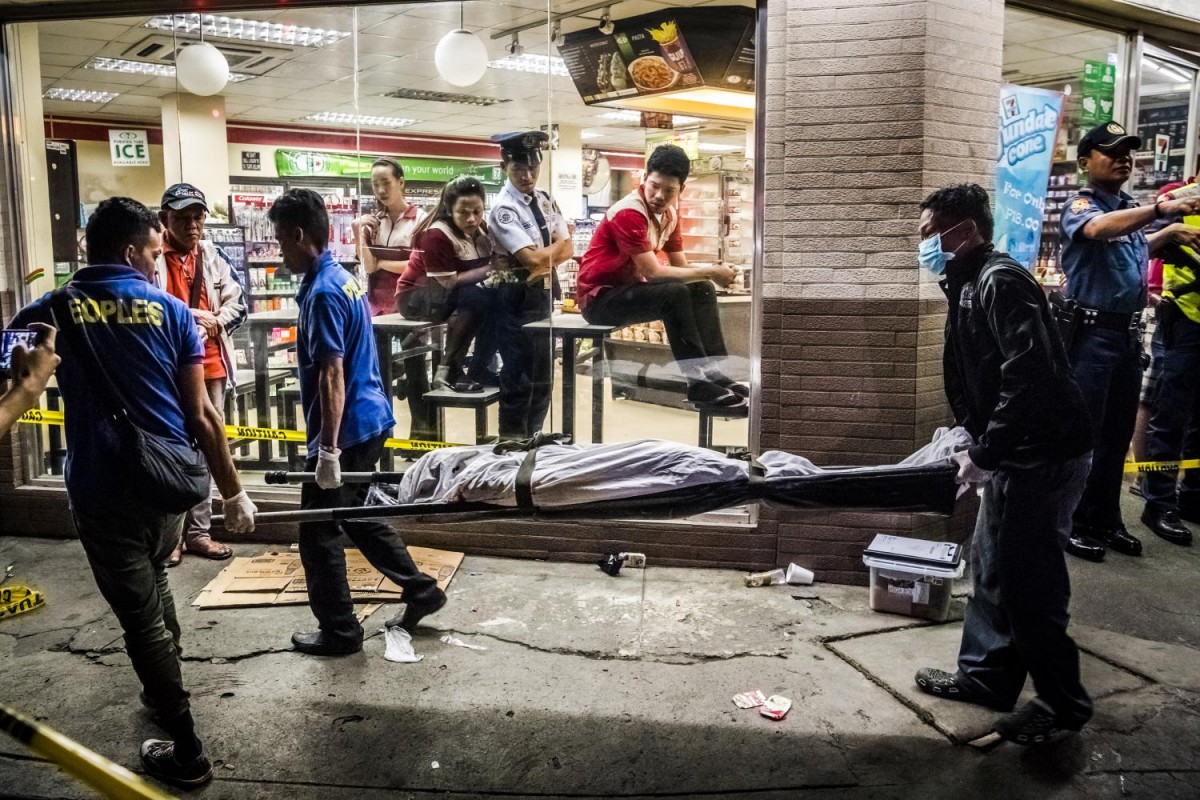
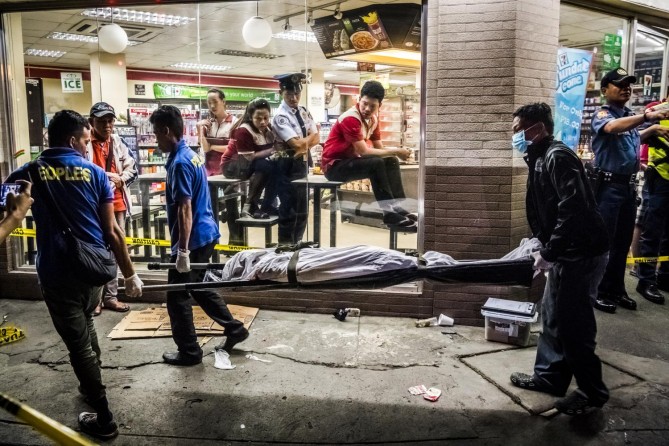
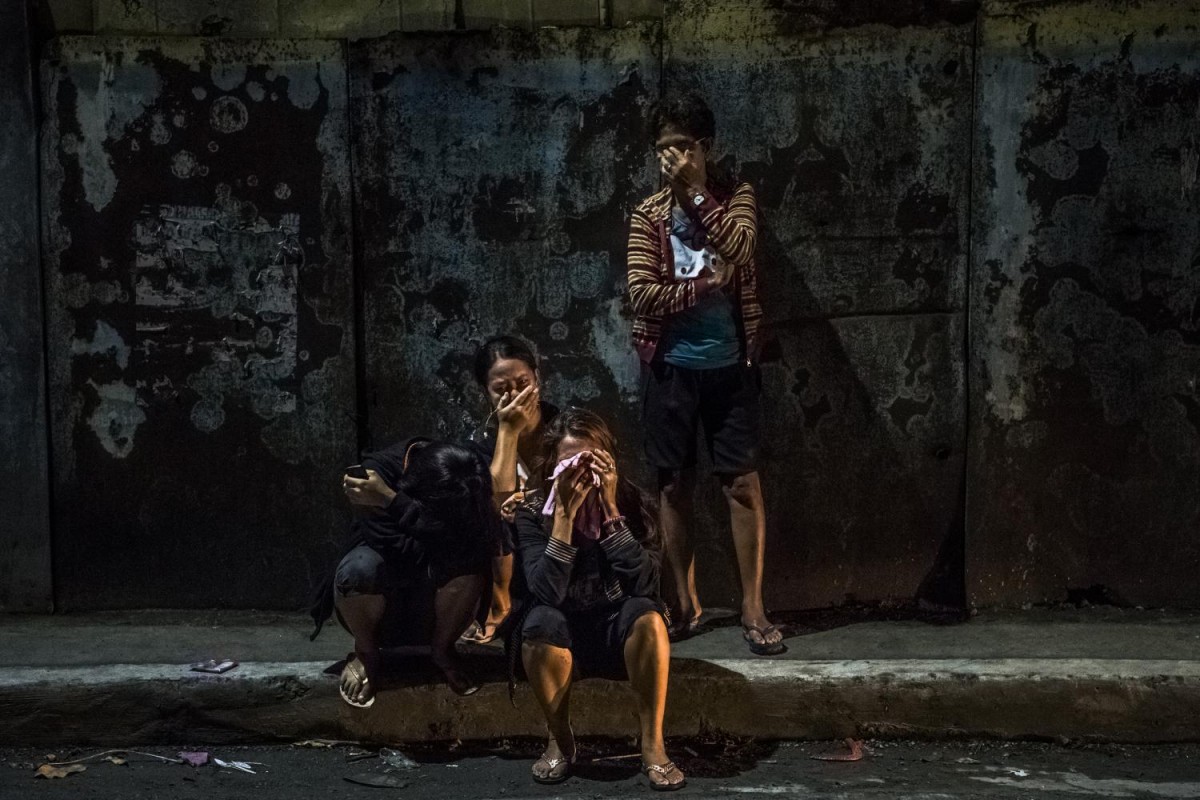
The killing has become so ubiquitous on the streets of Manila that life often grinds on at crime scenes. Customers at a 7-Eleven store in the Tambo neighborhood did turn their heads Oct. 18 as funeral-parlor workers carried away the body of Edwin Mendoza Alon-Alon, 36, who had been killed on the road outside. (10/18/2016)
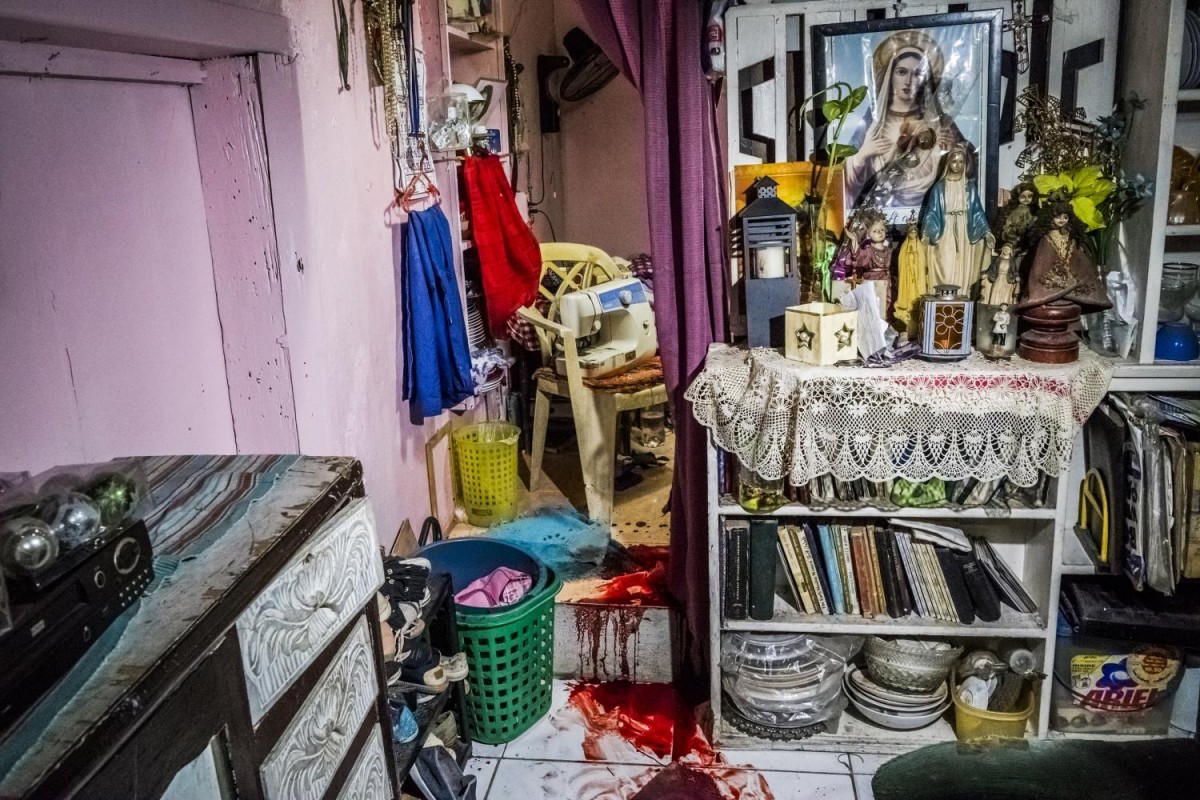
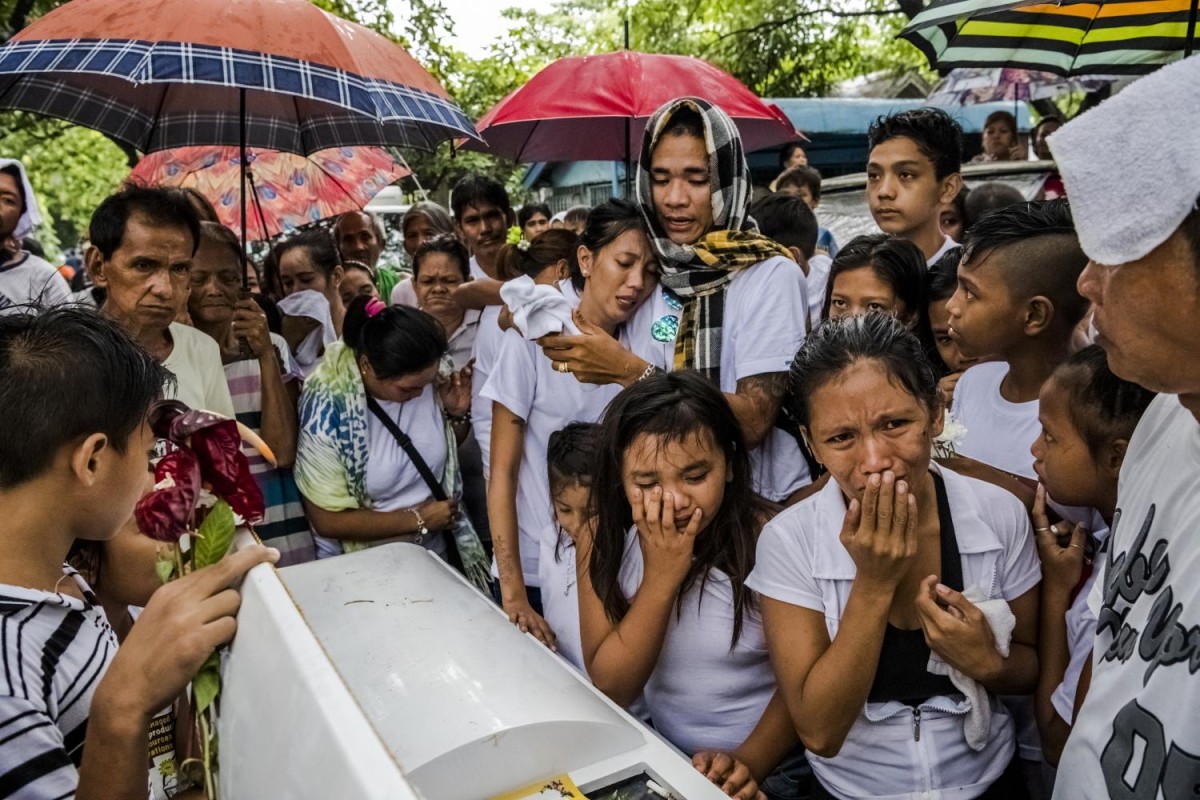
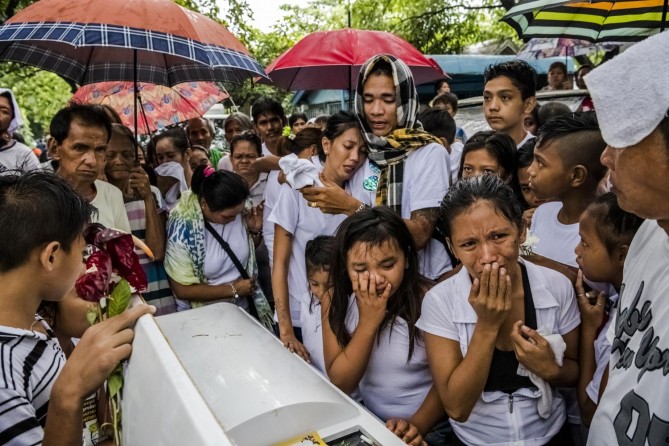
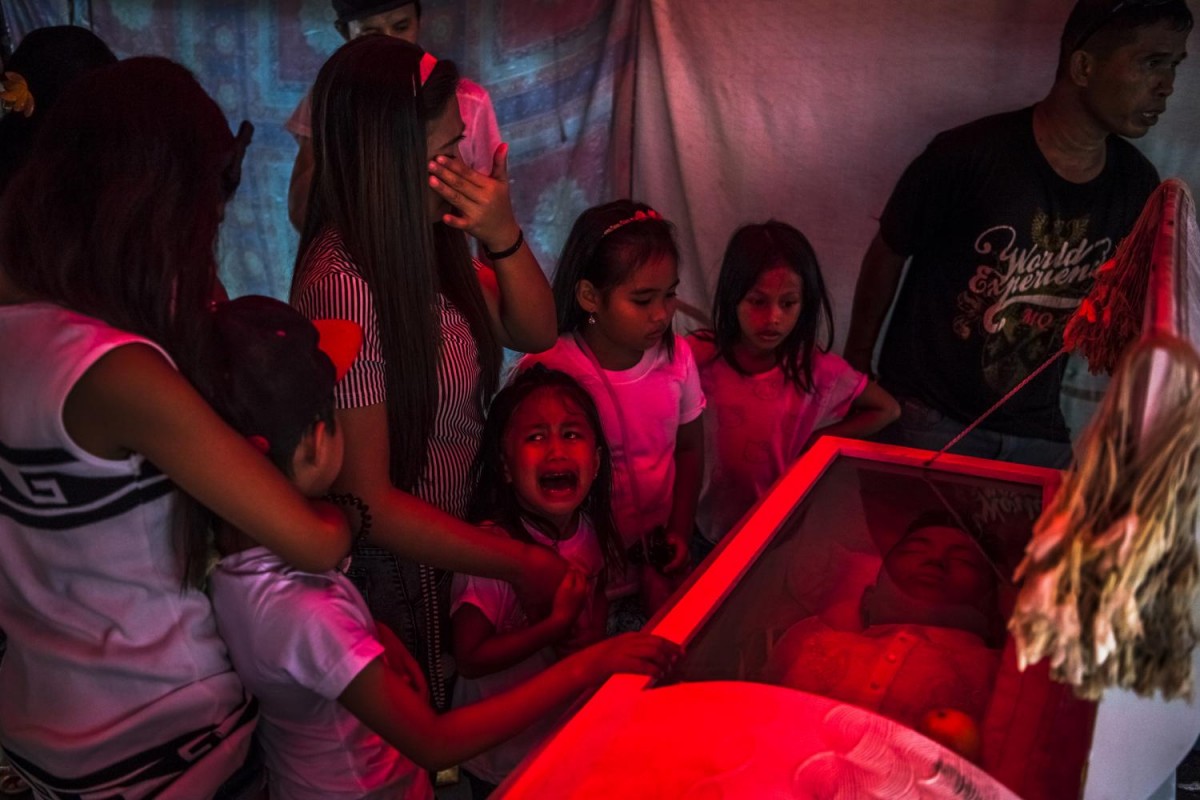
The man inside the coffin, Joselito Rufino Jumaquio, 52, was playing video games with his 13-year-old nephew, according to neighbors, when 15 men in masks descended into the neighborhood and handcuffed Jumaquio, a pedicab driver. The men ordered residents to go home and turn out the lights. One woman shouted, "Nanlaban!" -- "he's fighting it out." Two shots rang out, then four more. The neighbors found Jumaquio's body, still handcuffed, with a gun and a white plastic bag of drugs nearby. (10/12/2016)
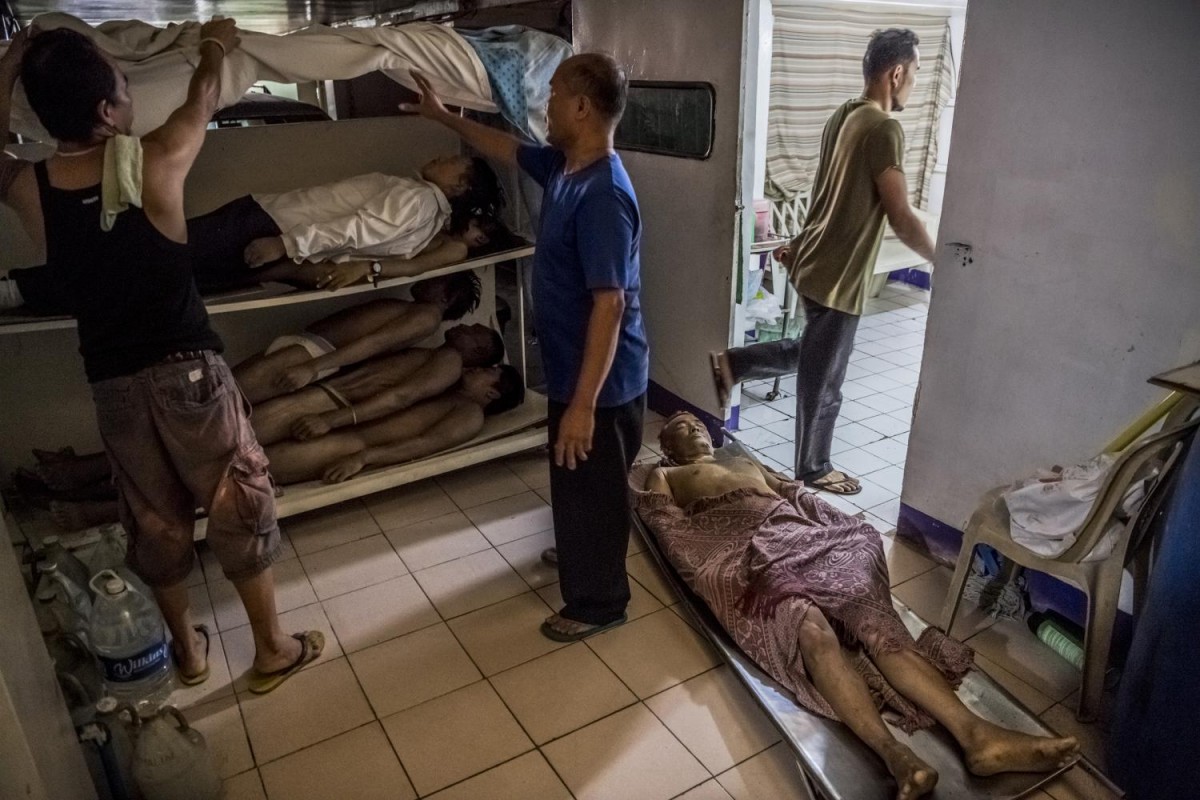
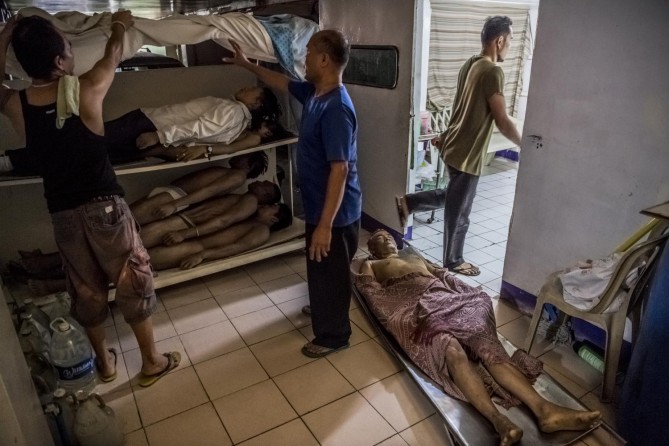
At the morgue, bodies were stacked like firewood. The man on the floor, Danilo Deparine, 36, was found dead under a bridge within a week of when his younger brother, Aljon, 23, met the same fate. It took their mother, Maria Mesa Deparine, three weeks to scrape together loans and donations totaling 50,000 pesos -- $1,030 -- for Aljon's funeral; then she negotiated a cut rate of 12,000 pesos, about $240, to bury Danilo with a one-day wake instead of the usual week. (10/11/2016)
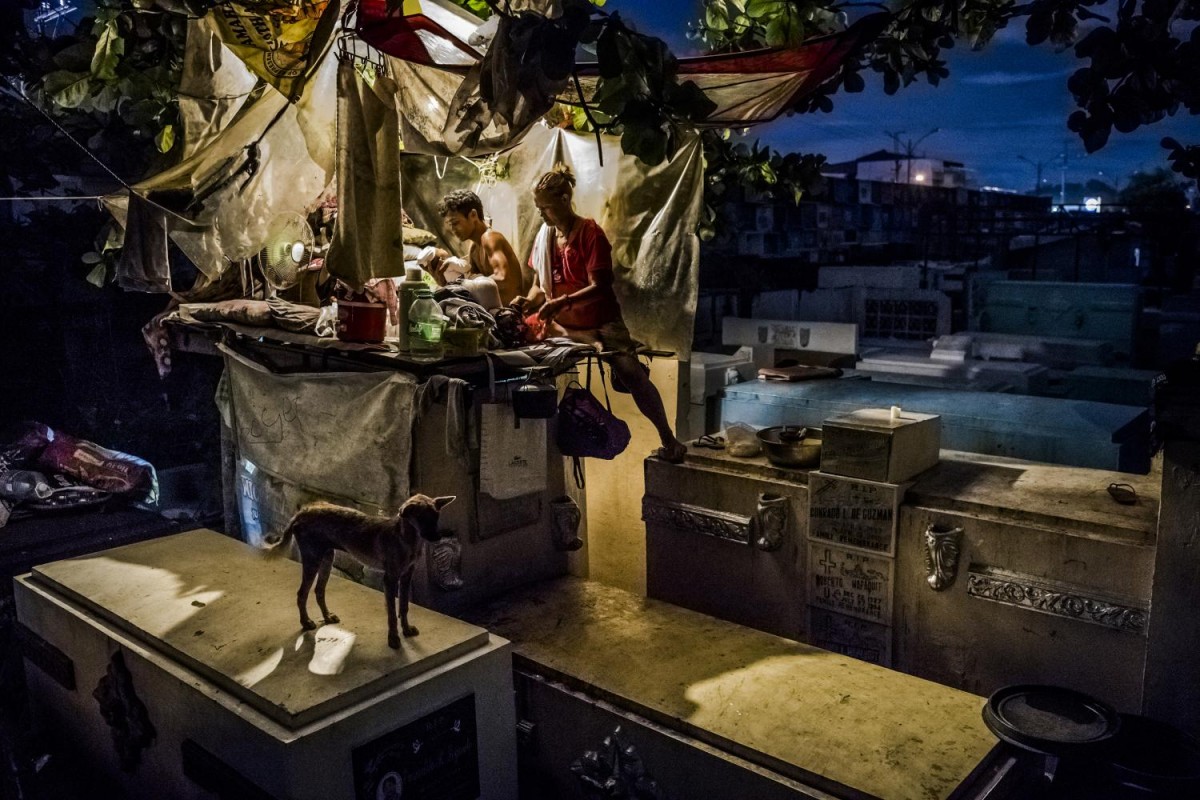
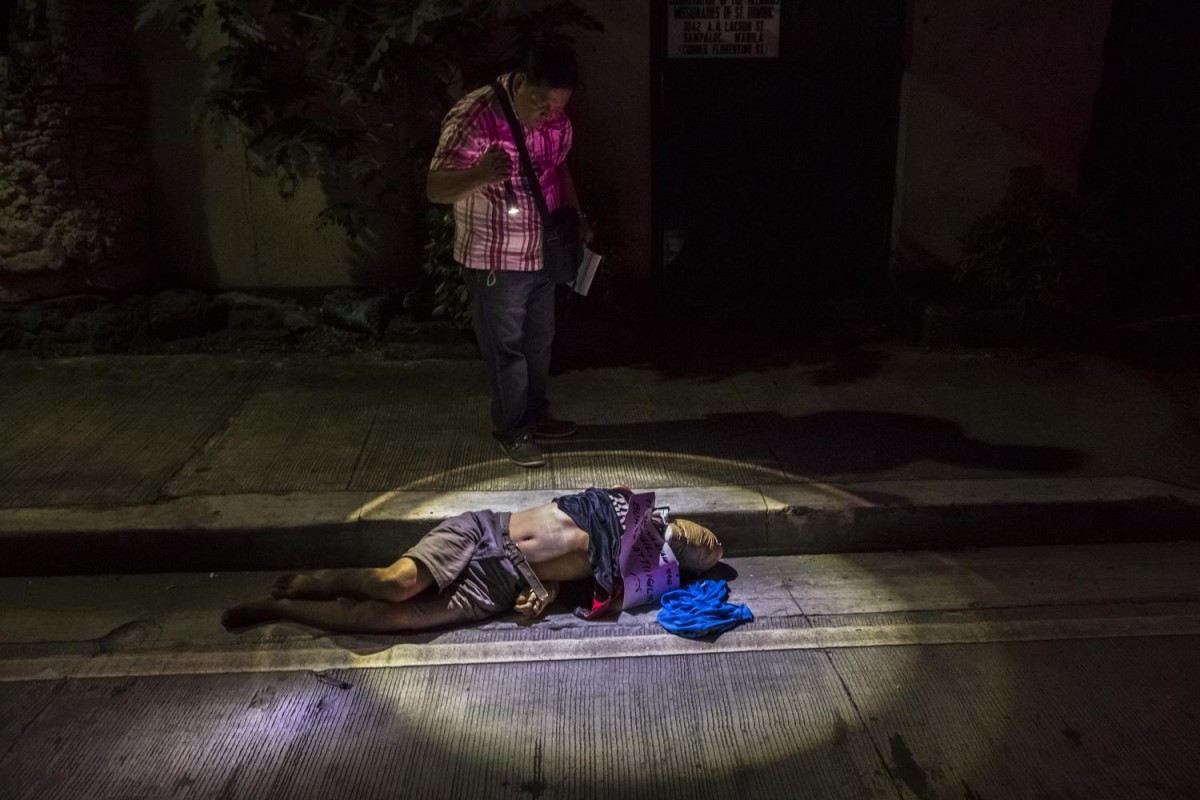
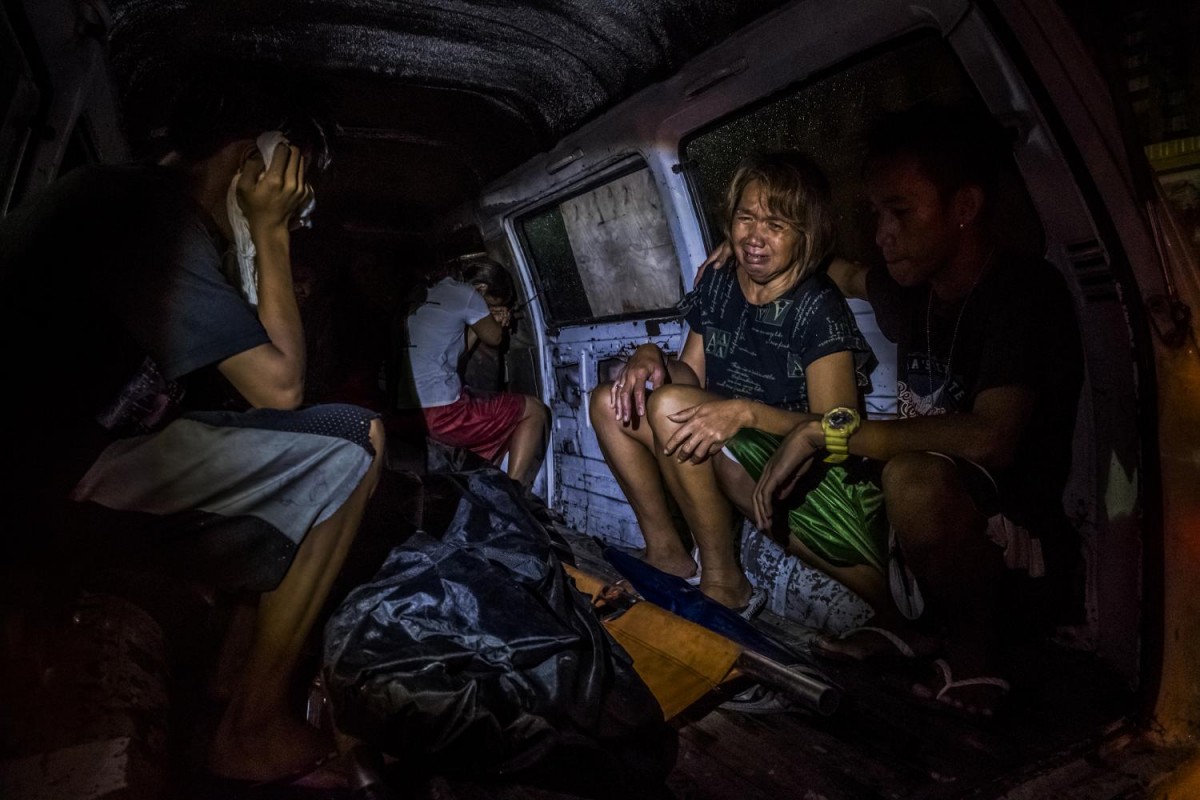
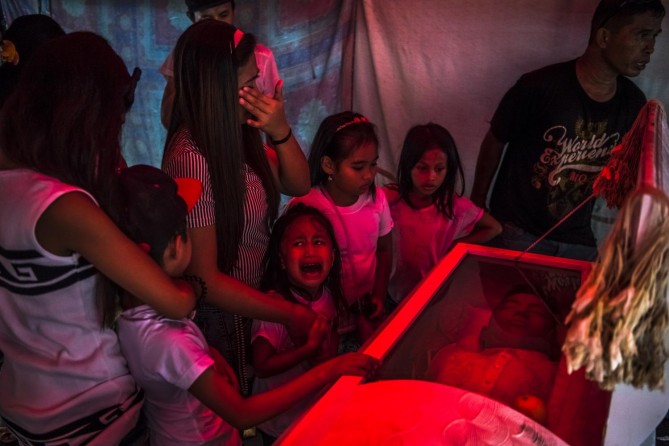
Nellie Diaz wept over the body of her slain husband, Crisostomo, a drug user who she said surrendered shortly after President Duterte's election. Mr. Diaz, a father of nine, did odd jobs like varnishing cabinets. Amid the drug crackdown, his wife deemed it unsafe for him to sleep at home, but he missed his family. A few weeks after his return, a man wearing a motorcycle helmet kicked in the front door, followed by two others. They shot him in front of several of his children. (10/20/2016)
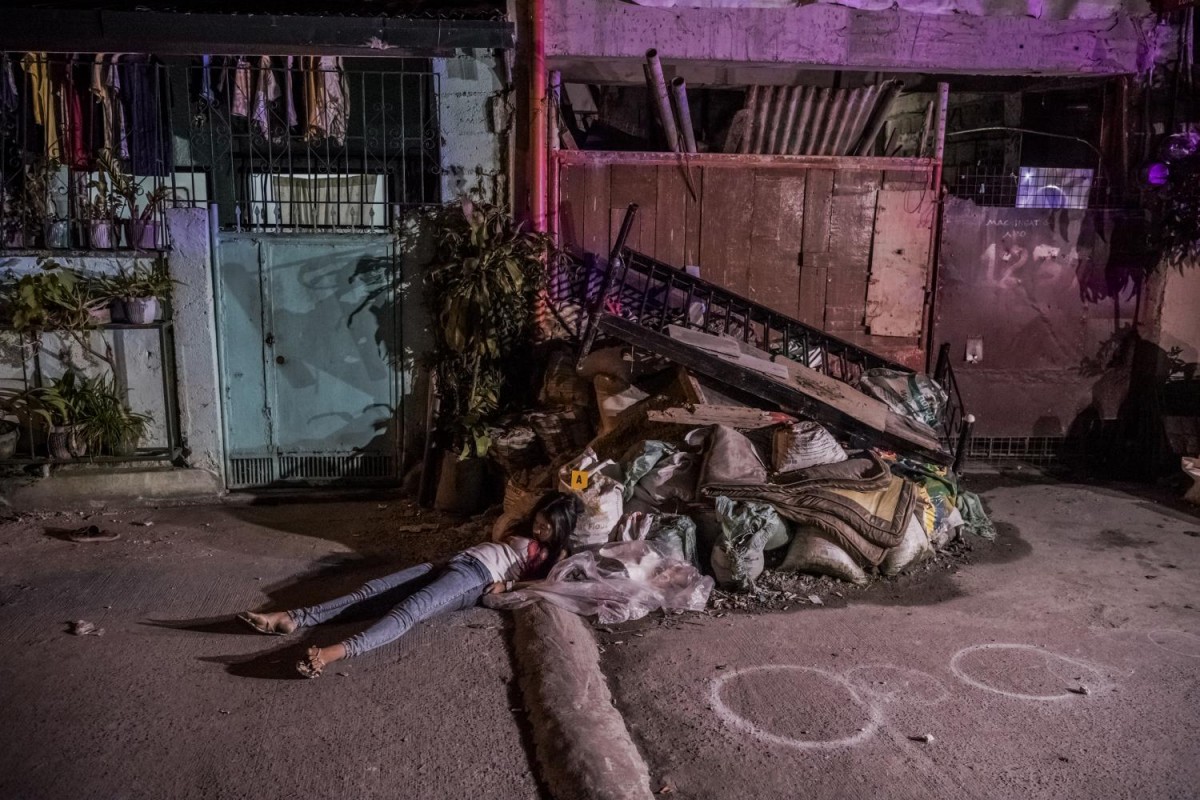
Erika Angel Fernandez, 17, was one of three women among the 57 victims Berehulak photographed. She was killed alongside her boyfriend, Jericho Camitan, 21. A bloodied Barbie doll lay next to her body. "They are slaughtering us like animals," said a bystander. (10/26/2016)
Biography

Daniel Berehulak is an award-winning photojournalist based in Mexico City. A native of Sydney, Australia, Mr. Berehulak has visited more than 60 countries covering history-shaping events including the Iraq and Afghan wars, the trial of Saddam Hussein, Ebola’s spread in West Africa and most recently the antidrug campaign in the Philippines. His work focuses on a combination of breaking news, human rights, social and health issues reporting.
He won the 2015 Pulitzer Prize for Feature Photography for his coverage of the Ebola epidemic in West Africa for The New York Times and was a 2011 Pulitzer Prize finalist for his coverage of the 2010 floods in Pakistan. His photography has also earned five World Press Photo awards and the John Faber and Feature Photography awards from the Overseas Press Club. In 2014 and 2015, he was awarded the Freelance/Agency Photographer of the Year by Pictures of the Year International, and most recently he was named the Photojournalist of the Year for large-circulation publications in the National Press Photographers Association’s Best of Photojournalism 2016 contest.
Born to immigrant parents, Mr. Berehulak grew up on a farm outside of Sydney. Their Ukrainian practicality did not consider photography to be a viable trade to pursue, so at an early age he worked on the farm and at his father’s refrigeration company. After graduating from college, he started his career as a photographer by shooting sports matches for a man who ran his business from his garage.
In 2002, he started freelancing with Getty Images in Sydney, shooting mainly sports. From 2005 to 2008, he was based in London as a staff news photographer for the agency. In 2009, he relocated to New Delhi to focus on the Indian subcontinent and the social and political instability of Pakistan and its neighbors.
In 2013, Mr Berehulak embarked upon a freelance career path and is a regular contributor to The New York Times. His work has appeared in exhibitions, newspapers and magazines worldwide.